The 2019-2022 Vancouver Buyer: What's Coming at Renewal and How to Get Ahead of It
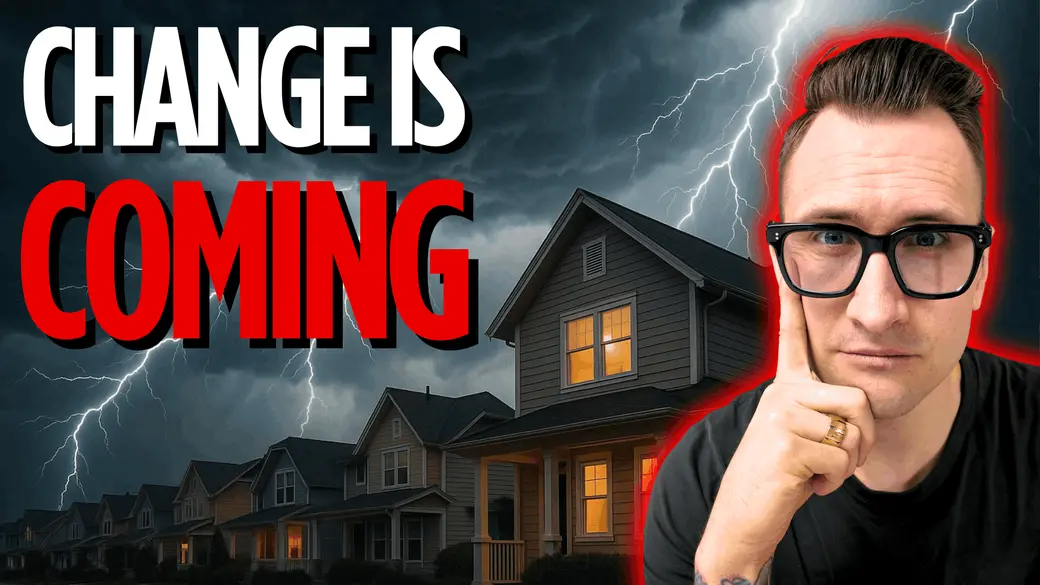
The 2019-2022 Vancouver Buyer: What's Coming at Renewal and How to Get Ahead of It
The quick take
If you bought a Vancouver home between 2019 and 2022, your mortgage renewal is approaching — and the rate on the other side could mean $690-$985 more per month. Start the conversation with your broker now, not 30 days before maturity.
If you bought a Vancouver home between 2019 and 2022, you locked in at rates between roughly 1.5% and 3.5% on a five-year fixed. Those mortgages are rolling into renewal now — and the math waiting for you on the other side is materially different. This isn't a fear post. It's the conversation I'm having with every client in this cohort, and the specific moves I'm telling them to make in the next 90 days.
The Payment Shock, In Real Numbers
On a $700,000 mortgage originated at 2.19% with a 25-year amortization, your payment was roughly $3,030/month. At 4.10% on renewal — where five-year fixed is landing in April 2026 — your payment becomes approximately $3,720/month. That's $690 more per month. $8,280 per year. For a family already absorbing food inflation, property tax increases, and strata fee creep, that number is real.
On a $1M mortgage, the gap widens to roughly $985/month. For buyers who stretched to qualify in 2021 at sub-2% rates, this is the math that keeps mortgage brokers' phones ringing in 2026.
What You Control Right Now
First: get your renewal quote 180 days early. Most lenders allow rate holds and pre-negotiation that far out. If you wait until 30 days before maturity, you lose negotiating leverage. Your current lender is counting on your inertia to renew you at posted rates instead of their true best rate.
Second: shop the renewal across at least two other lenders. This isn't disloyal — it's due diligence. Portability, blended rates, and second-look negotiations only happen when your current lender knows you're talking to competitors.
Third: consider amortization extensions. If your current lender offers to extend from 20 years remaining to 25 or 30, that's real payment relief — at the cost of more interest paid over time. Whether it's the right move depends on your actual financial position, not a blanket rule.
Fixed vs Variable in 2026
If the Bank of Canada continues cutting — and most economists expect further easing through 2026 — variable rate renewals capture more of the downside than fixed locks do. The counterargument: variable rates give you payment volatility, which matters if your household budget is tight. The honest answer is it depends on your risk tolerance and cash-flow buffer.
Bridge Strategy: A middle-ground approach some clients are using: take a shorter-term fixed (1-2 years) to bridge into the next rate cycle, rather than locking five years at current rates.
The Conversation to Have This Week
Call your mortgage broker. Not your banker. A broker represents you and shops multiple lenders. Your banker represents the bank.
1. Ask about your true best rate. Get numbers from your current lender plus at least two competitors.
2. Ask about income-drop scenarios. What are your options if your income changes unexpectedly before or after renewal?
3. Ask about debt consolidation. Is there value in refinancing to consolidate other debt at this renewal?
The answers tell you whether to renew with your current lender, move to a new one, or make a bigger strategic decision about your property.
Risk Flag
If your industry has been hit in the February 2026 jobs report — BC construction, finance-insurance-real estate, or healthcare specifically — lending scrutiny will be tighter on your renewal. Do not wait to have the hard conversation. Start it now while you still have options. Forced sale from rate shock is the outcome no one wants, and it's almost always preventable with a six-month runway.
Ready to make your move in Vancouver's market?
Whether you're buying, selling, or just want to understand what's happening — I'm here to help.
📞 Book a 30-Minute Strategy Call
🏠 Search Properties 🎥 Subscribe on YouTube
Kyle Mark, REALTOR® | eXp Realty | Vancouver Real Estate Expert
FAQ: Vancouver Mortgage Renewals in 2026
What is the average rate for a Vancouver mortgage renewal in 2026?
Five-year fixed rates in April 2026 are running around 4.10%, variable around 3.84%. These shift weekly — verify with your broker.
How much more will my Vancouver mortgage cost on renewal?
On a $700K mortgage renewing from 2.19% to 4.10%, payments increase approximately $690/month. On $1M, approximately $985/month.
Should I choose fixed or variable at renewal in 2026?
If you expect continued Bank of Canada rate cuts, variable captures the downside. If you need payment stability, fixed reduces volatility. A 1-2 year fixed is a middle-ground bridge strategy some clients are using.
Can I refinance to consolidate debt at renewal?
Yes, if you have equity. Consolidating higher-interest consumer debt into mortgage debt at 4.10% often improves monthly cash flow — but adds years of amortization. Run the math with your accountant.
What if my income dropped recently?
Talk to your broker immediately. Options may include amortization extension, blended rates, or refinancing with a different lender. Do NOT wait until renewal day to disclose income changes.
How far ahead can I lock a renewal rate?
Most lenders offer 90-180 day rate holds. The earlier you start, the more leverage you have.
Do I have to renew with my current lender?
No. Switching lenders on renewal is common and often results in better rates. Request discharge documentation early — it takes time.
Categories
Recent Posts







GET MORE INFORMATION